

"Ifyou want to hear stupidity, ask a foreigner what he thinks of Russia." Pushkin, 1999
SAINT PETERSBURG
Introduction
In recent years St. Petersburg has been for me almost a second home: the first time I visited it was in the early 2000s when, with my parents, I did the classic Moscow – St. Petersburg tour by train. But it is only in recent years that I have had the opportunity to get to know her better, to study the very complicated Russian language at the Faculty of Philology and then return several times for New Year's Eve or for some festive bridge.
"Venice of the North" and "Russian Venice" are just two of the many nicknames given to this wonderful city of Russia overlooking the Baltic Sea. There are several names with which it has been baptized over time: from "Sankt Peterburkh", to the current St. Petersburg, passing through Petrograd first and Leningrad then immediately after the Russian Revolution.
In the beginning it was a semi-abandoned and swampy area but Peter I, a wise and far-sighted man, considered it the perfect area to give Russia the outlet to the sea to the west that it lacked.
The task of designing the city was entrusted to several Italian architects, which is why the architecture is clearly European and completely different from that of Moscow, the capital of Russia, Moscow.
It is no coincidence that it is considered the most European of Russian cities, not only for its proximity to the European continent but also, and above all, for the style that characterizes its palaces and streets.
But the web is full of historical notes that have marked the history of this magnificent urban jewel overlooking the Gulf of Finland. I prefer rather to give some practical advice on what to see, how to move and where to eat. For the names of the places I have indicated, in brackets, the Cyrillic version, in order to benefit even those who do not know the Russian language.
Practical information
Pulkovo International Airport is located about 20 km from the center.
As you leave the terminal you are surrounded by taxi drivers (more or less legal) but, unless you speak a little Russian or know how to use the smartphone taxi app and book one in advance, it is not a cheap solution.
Much more recommended is the Express X9 bus that takes you directly to the metro station "Moskovskaya" (Mосковская) from which you can take the metro line 2 – direction Parnas (Парнас) and get to the center in a few minutes.
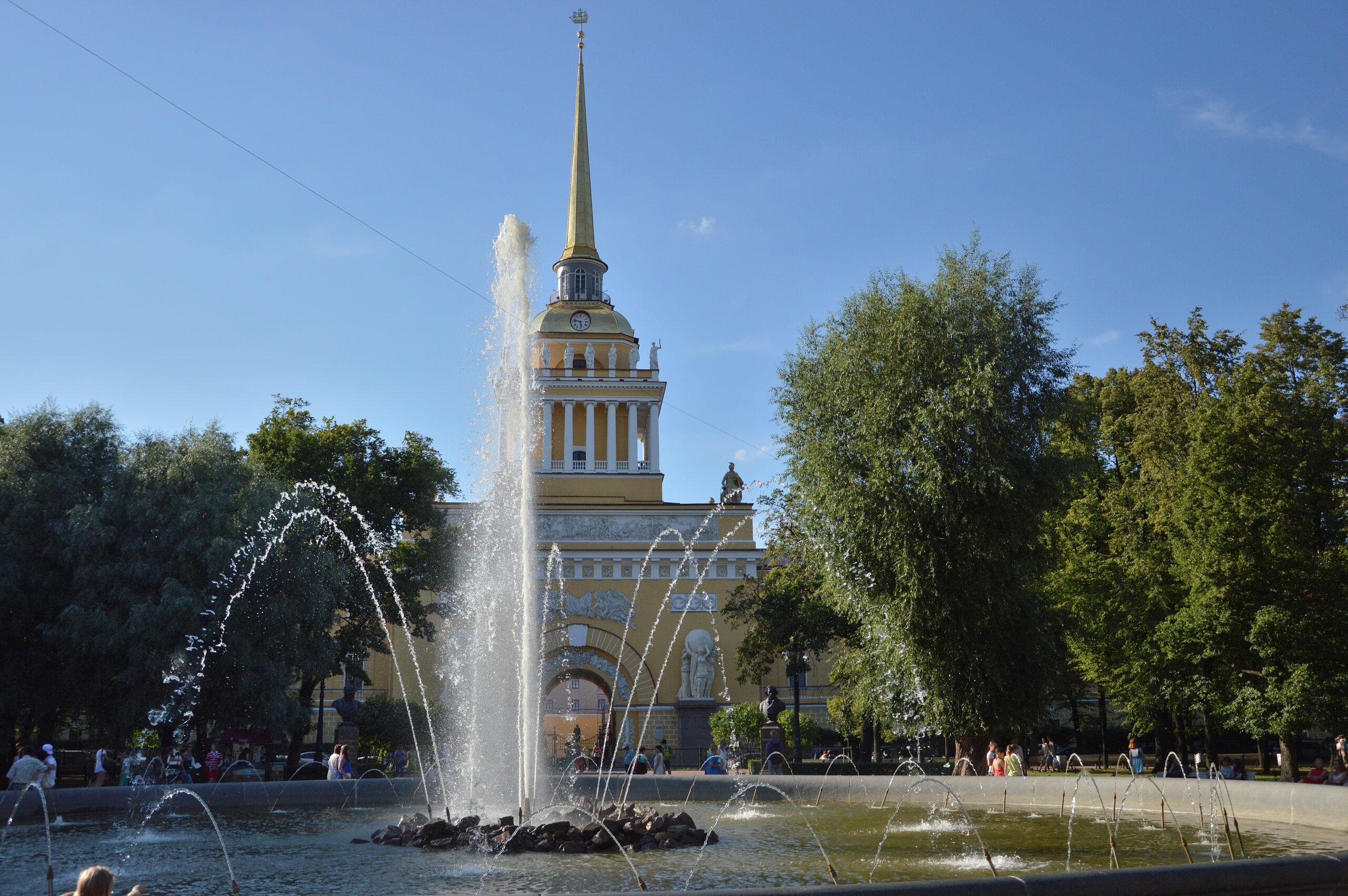
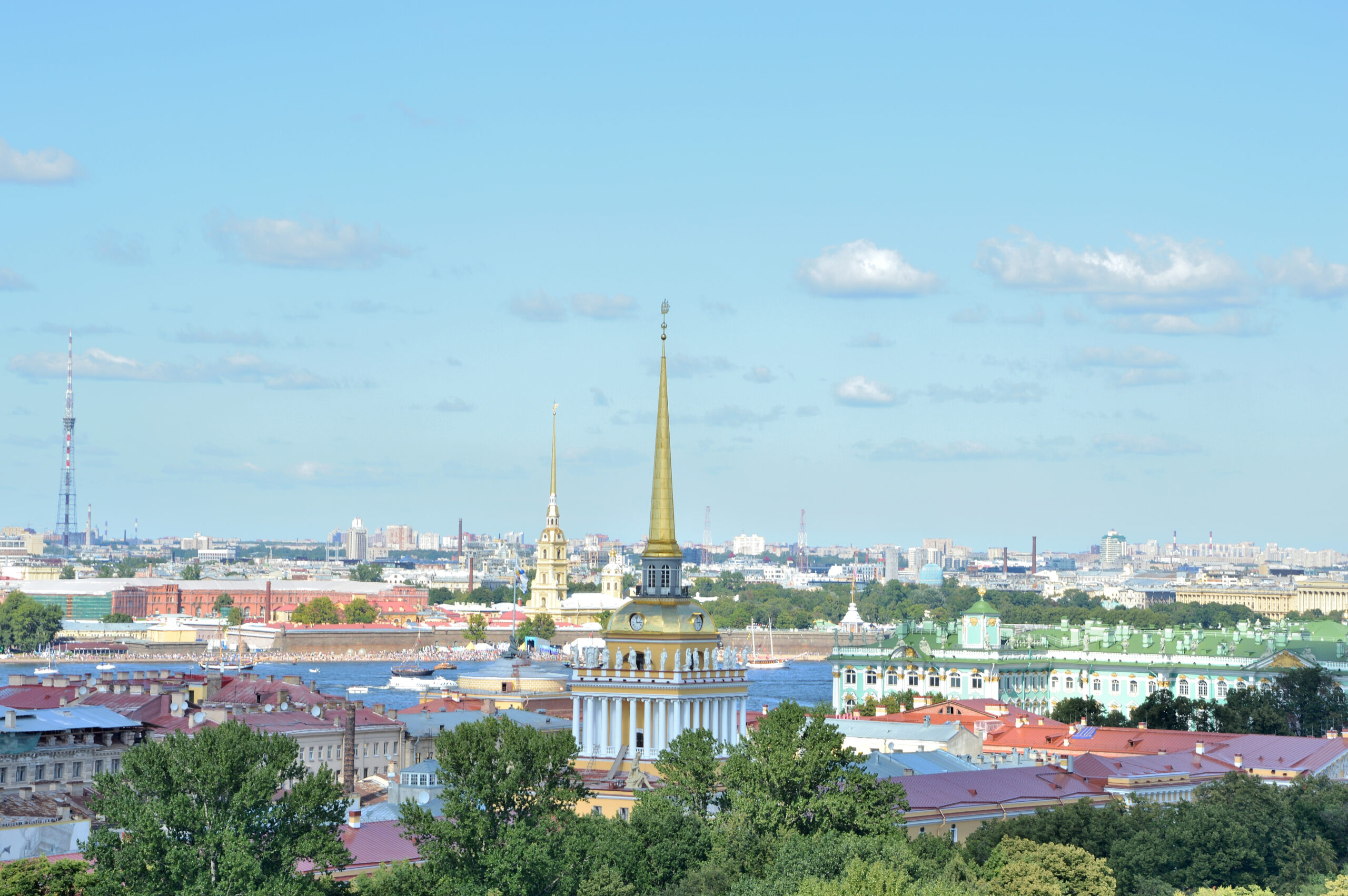
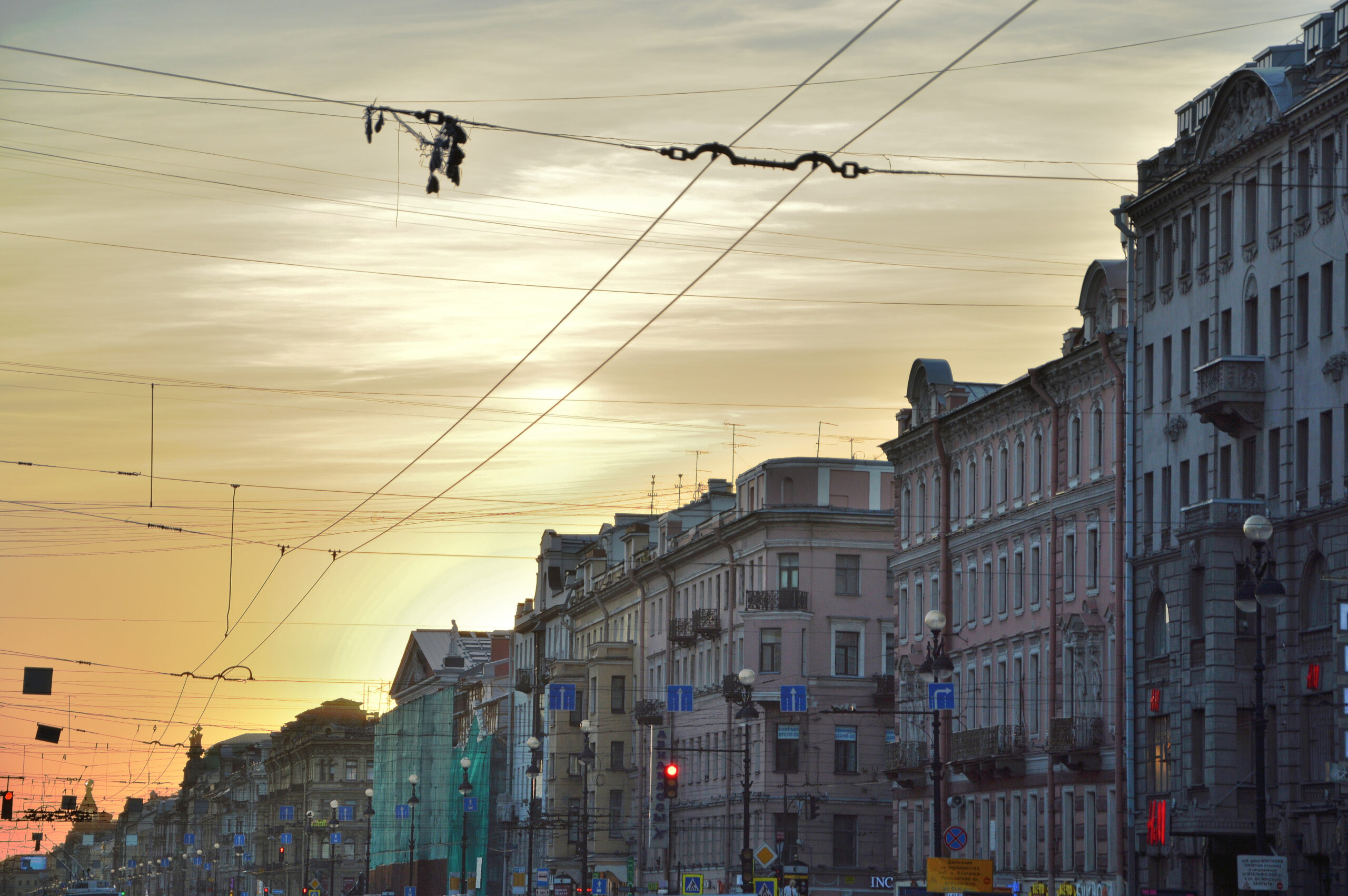
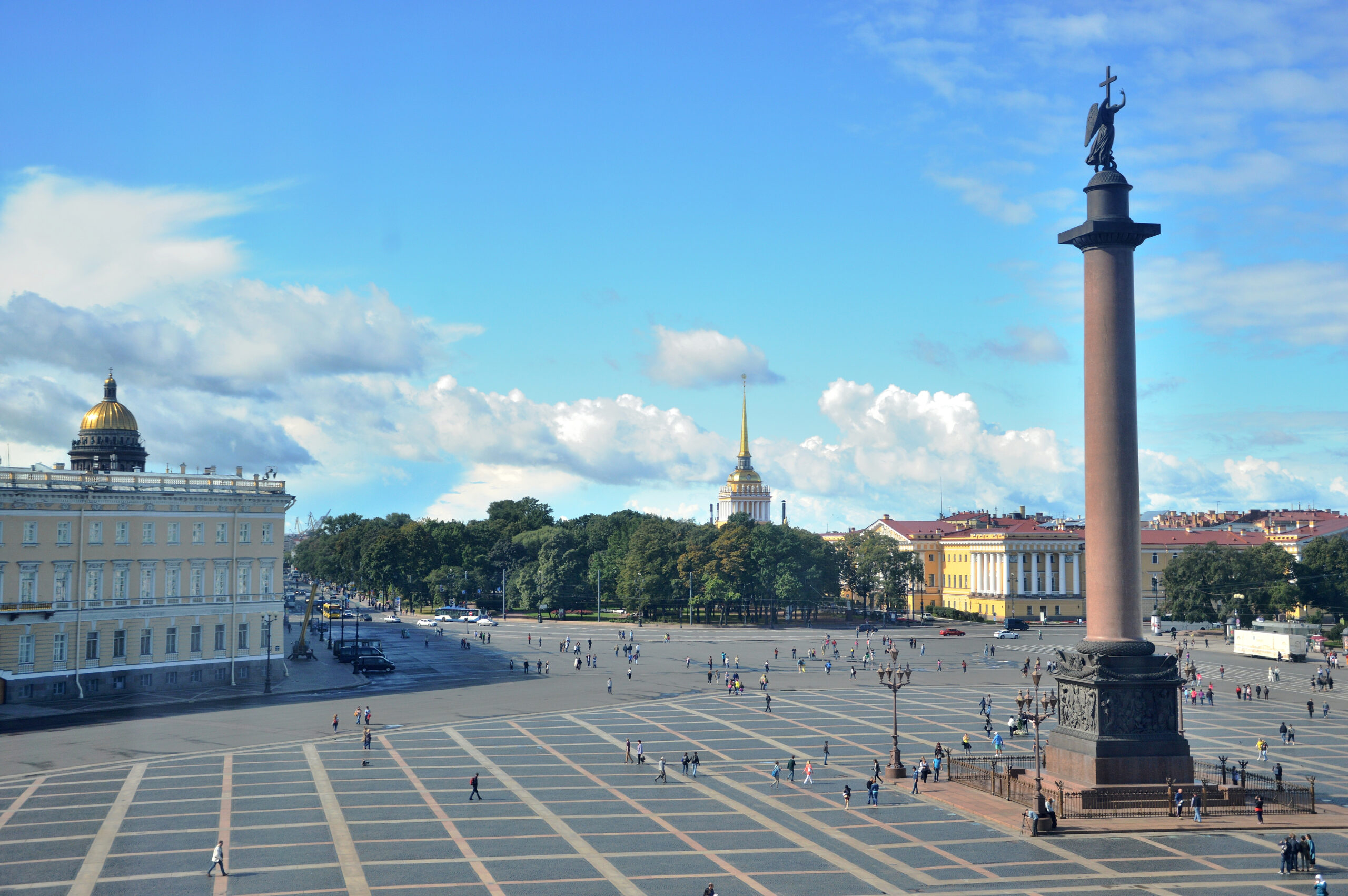
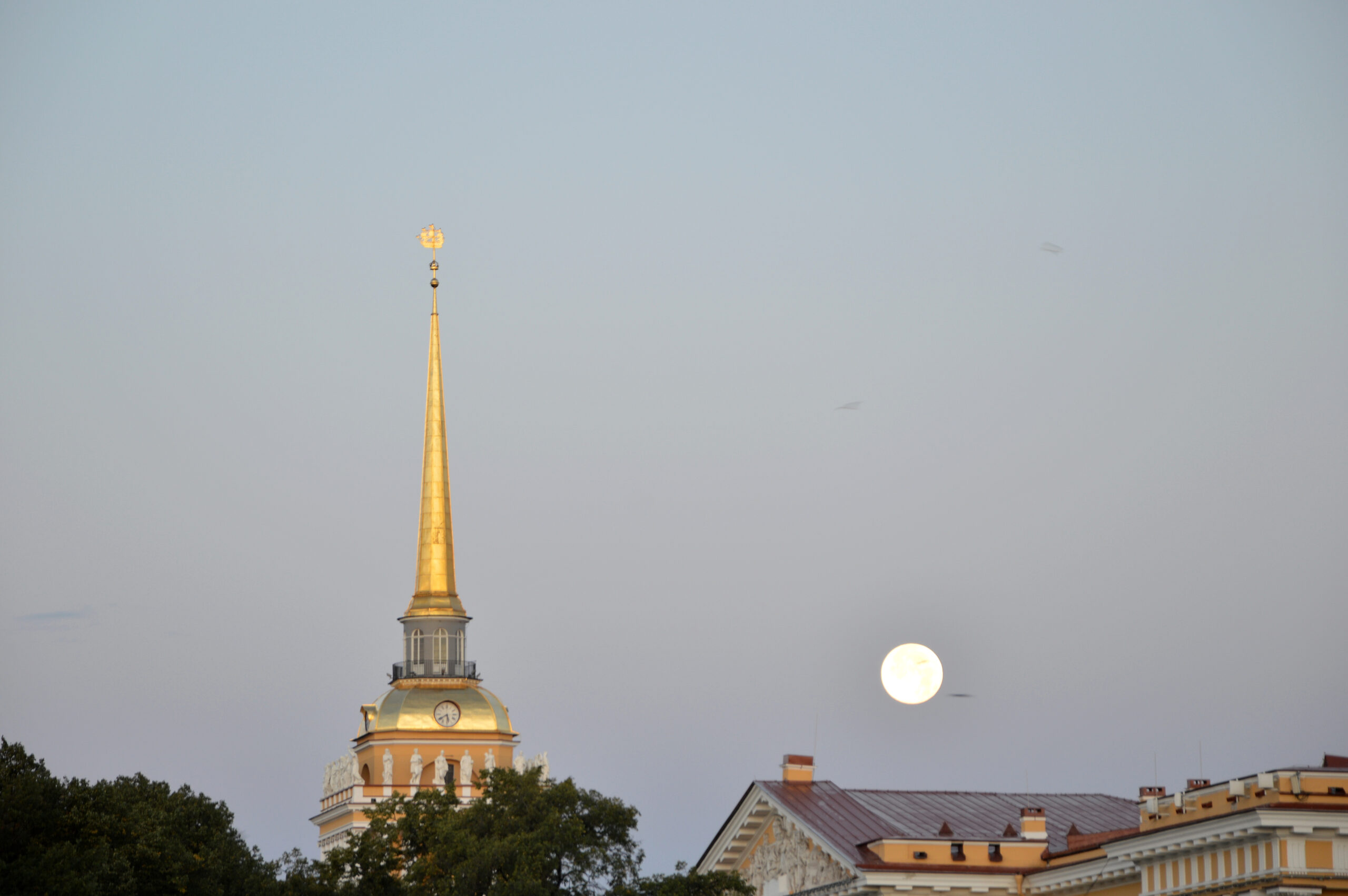
A reference point for moving around the city is certainly the Neva Prospect (Невский Проспект), an avenue more than 4 km long that connects the Admiralty (Адмиралтейский раюн) to Aleksandra Nevskova Square (Площадь Александра Невского).Finding your way around is quite easy: if in the distance in front of you you see a golden spire, it means that you are going towards the Admiralty and the Hermitage (the heart of the historic center in a nutshell), while instead, if you see an obelisk in front of you or even you have passed it and it is behind you, it means that you are near the end of the avenue.
What to see?
Whichever way you turn there is something to see or visit. Having been there several times, I have had the opportunity to turn it around a lot, and here is a list of what in my opinion can not be missed in your visit.
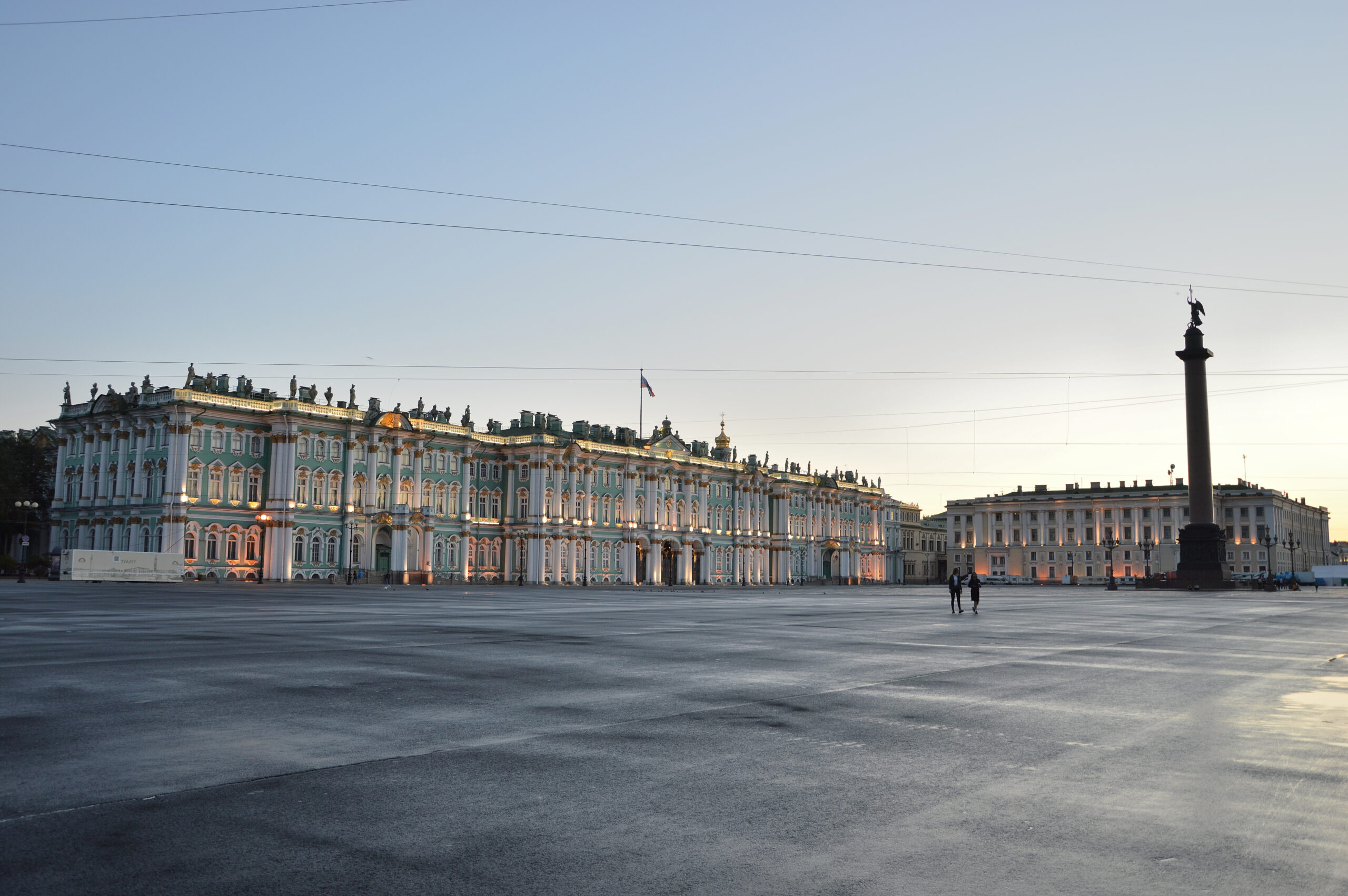
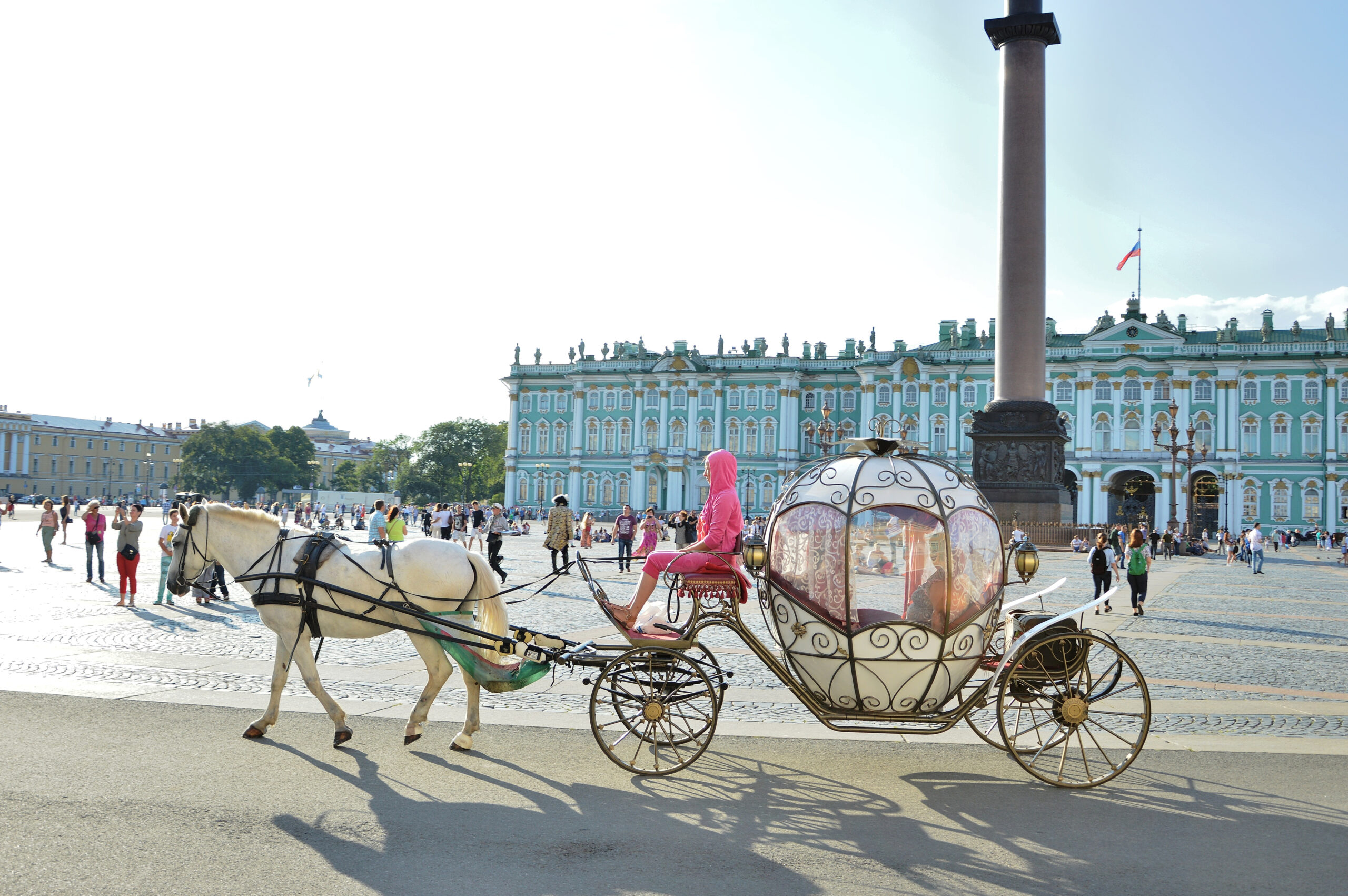
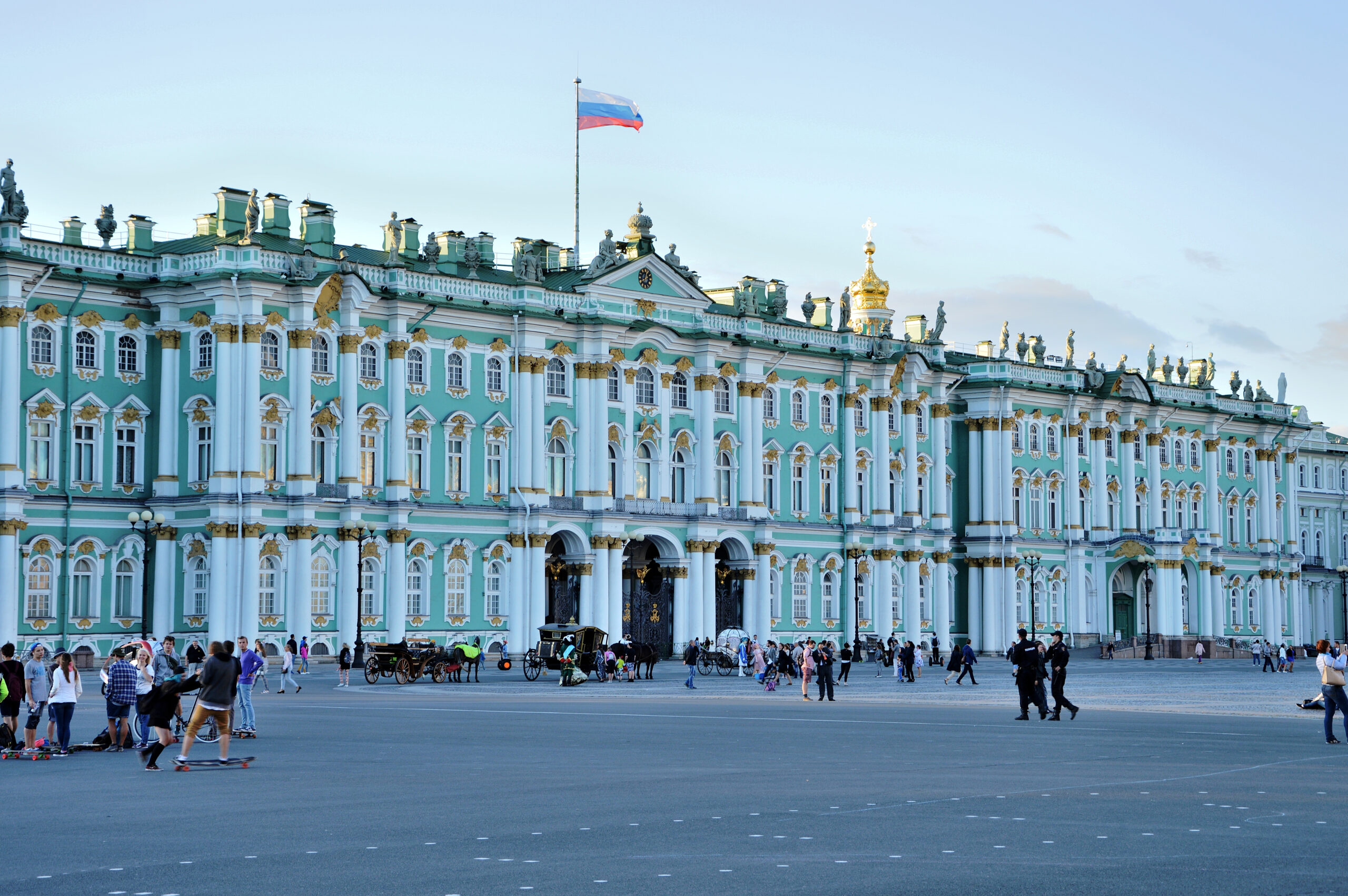
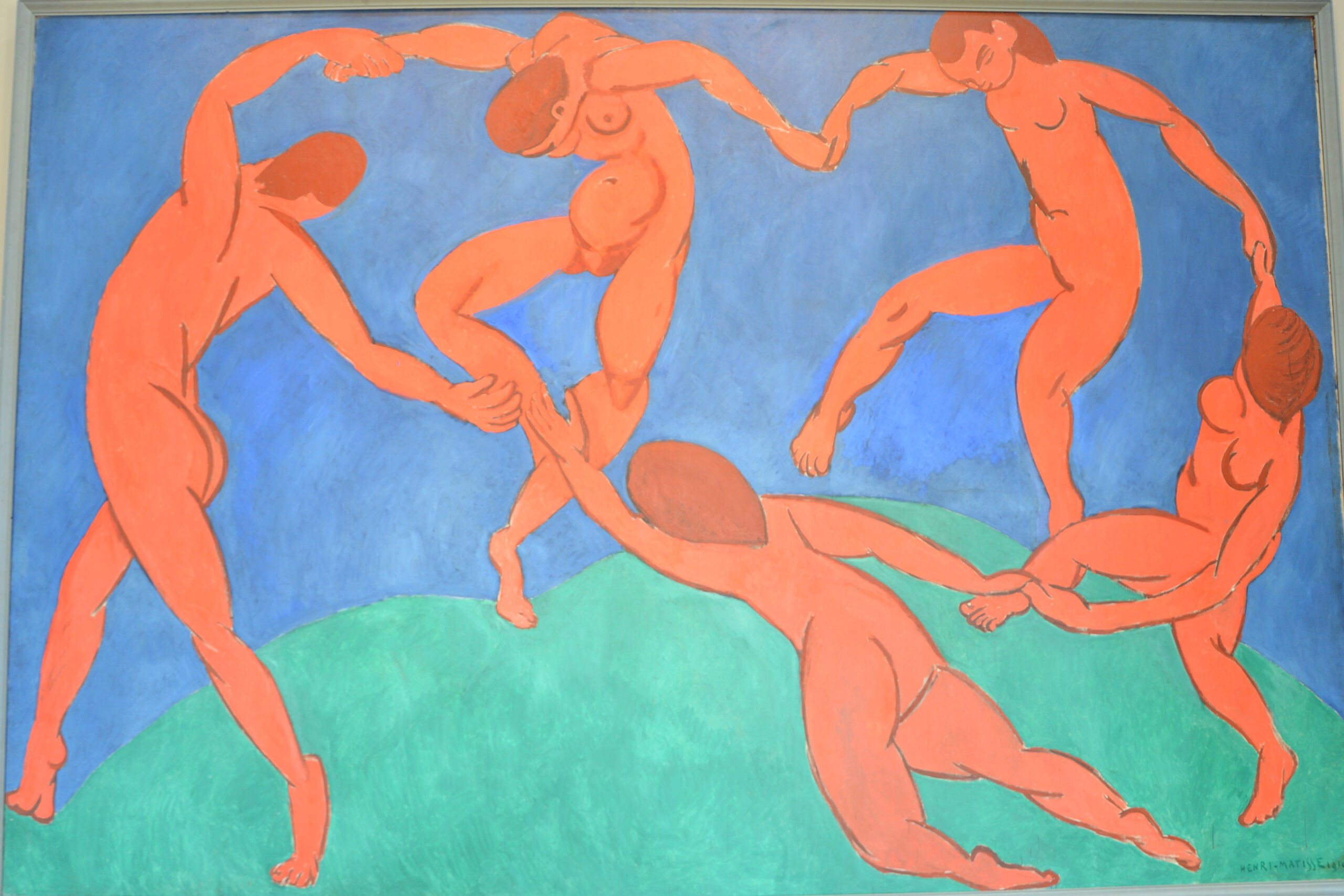
Hermitage Museum (Эрмитаж): it needs no introduction, it is located inside the palace that housed the Romanov tsars for years until 1917 when the October Revolution exploded. The building, designed by the Italian architect Rastrelli (one of many who made his fortune here in St. Petersburg), houses an invaluable collection of works of art by Canova, Monet, Leonardo, Caravaggio, Van Gogh, Rembrandt and many others. Do not miss the wing that houses more recent works, including one of my favorite paintings, the second version (the first is preserved in New York) of "The Dance" by Matisse. The entrance to this part of the museum is independent and is always located in the Palace Square but on the opposite side, near the Arc de Triomphe. Opening hours: Tuesday, Thursday, Saturday and Sunday from 10.30 to 18.00 and Wednesday and Friday from 10.30 to 21.30. Closed on Mondays. In summer to avoid the long queues at the entrance it is recommended to take tickets on the official website http://www.hermitagemuseum.org.
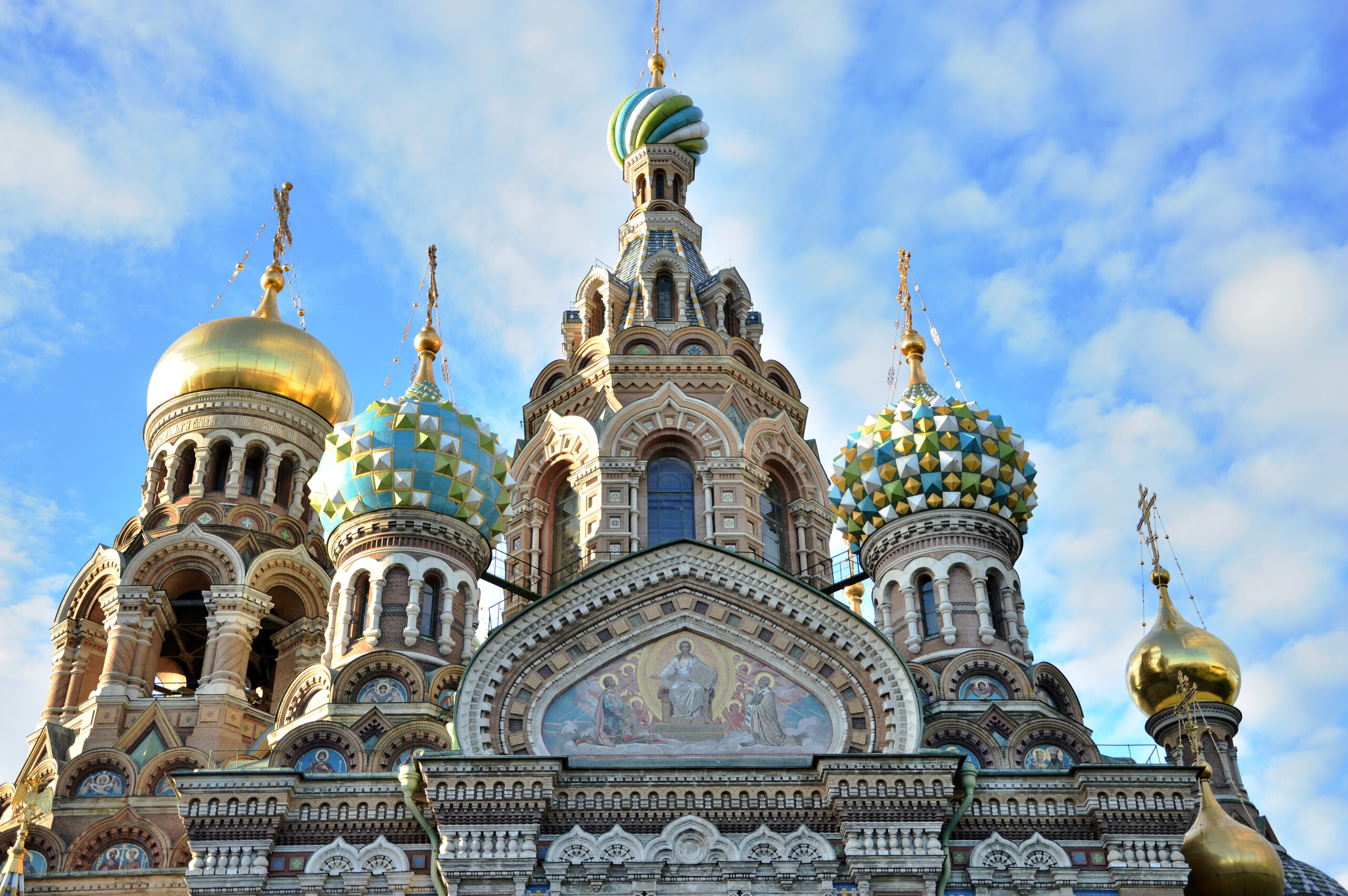
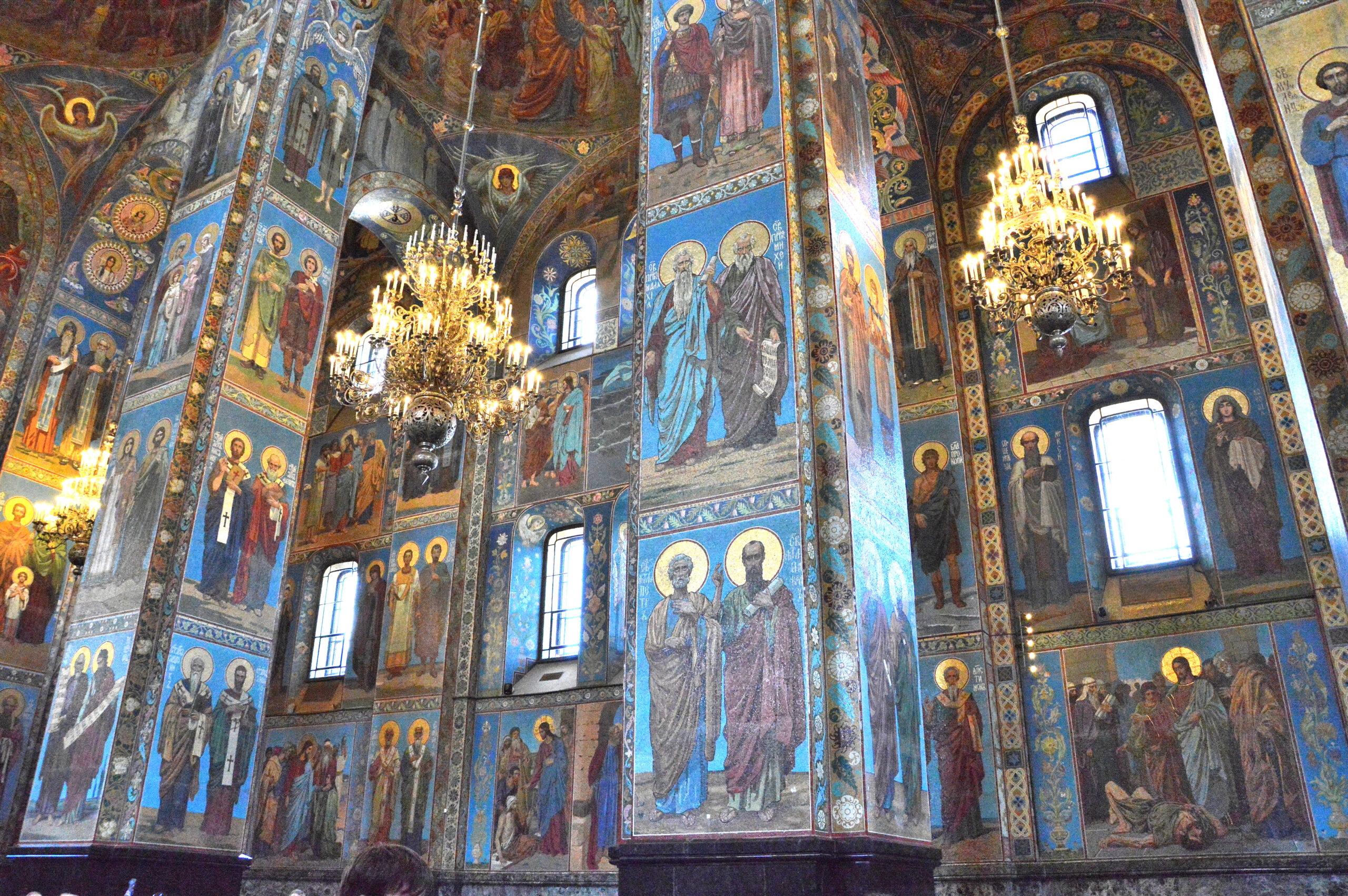
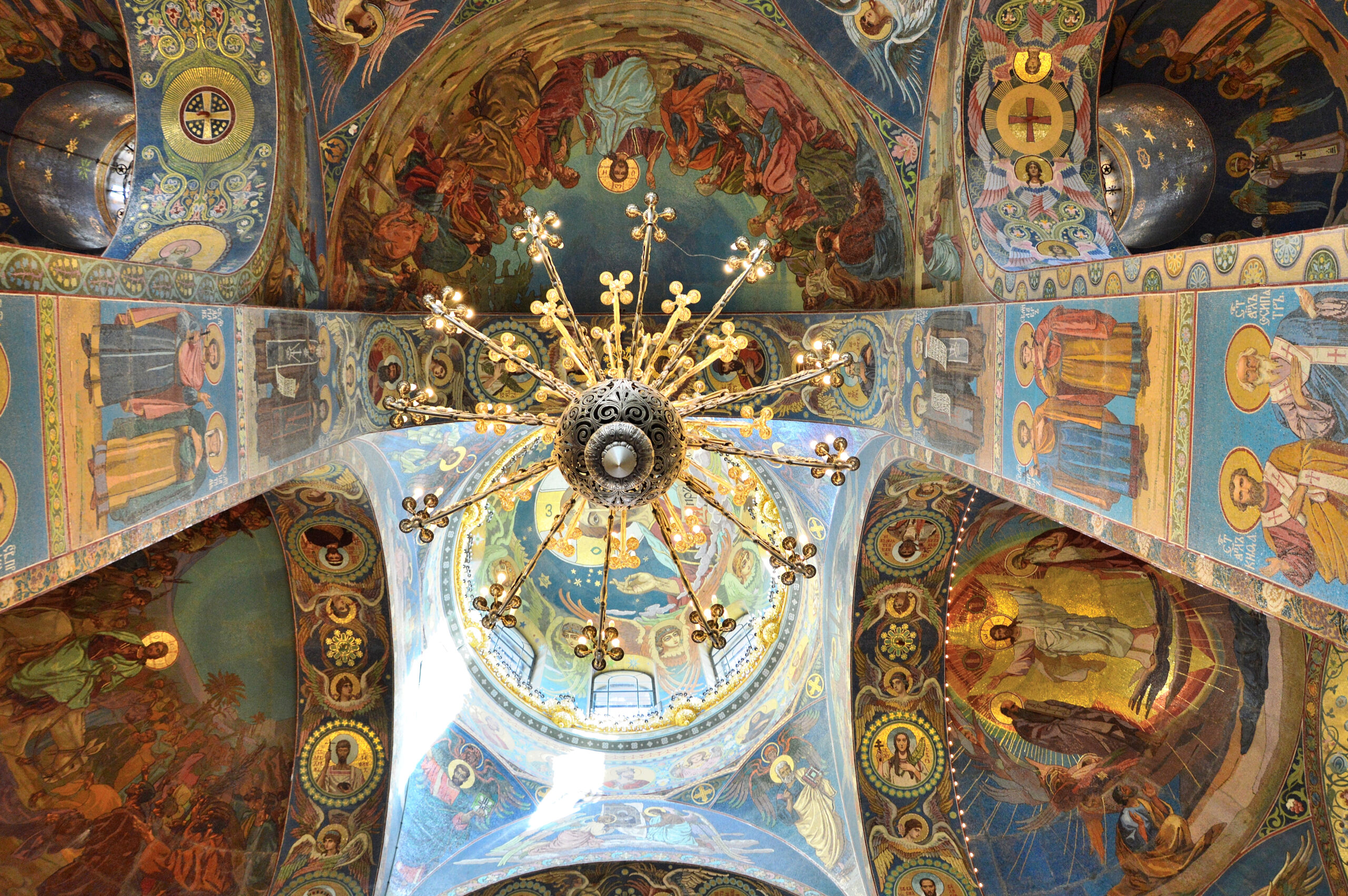
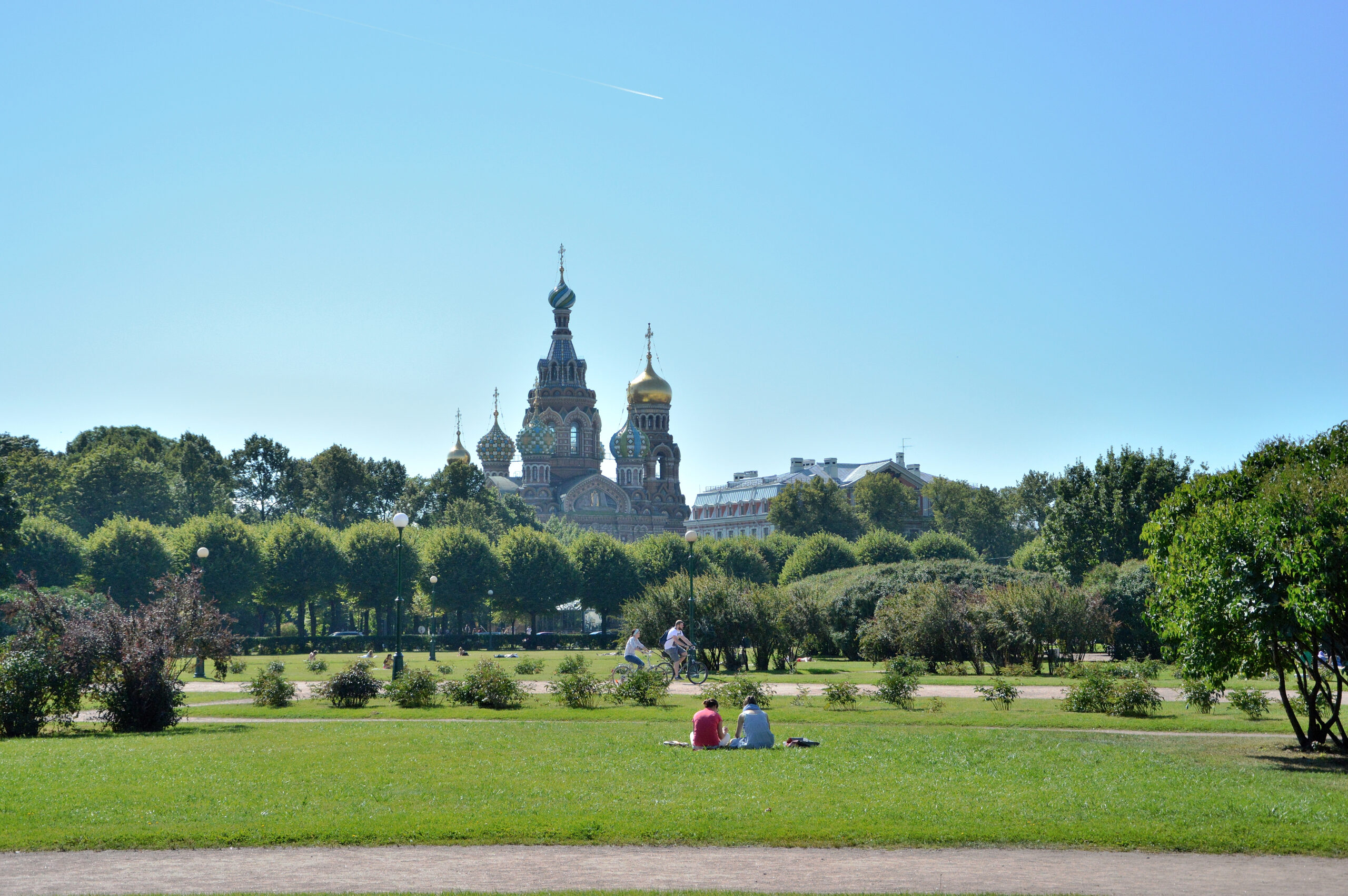
Church of the Savior on Spilled Blood (Собор Воскресения Христова): it is probably the most photographed historical monument in St. Petersburg and all of Russia and owes its name to the blood shed by Tsar Alexander II who was murdered in the place where the church currently stands. Like so many other religious buildings, not even this one was spared from the looting and blind ignorance of the post-revolutionary period and was often on the verge of demolition despite the infinite beauty that distinguishes it. It lies on the Griboedova canal and its interiors leave you speechless.
A few meters from the Church of the Savior there is the Field of Mars (полеМарса), a garden crossed by several pedestrian paths and a great place to rest and walk during your visit to the city. This place became in 1917 the burial place of revolutionaries and since 1959 burns an eternal flame. From here you can also enjoy an excellent view of the Church of the Savior mentioned above.
Peter and Paul Fortress (Петропавловская крепость): just behind the Hermitage, on the other side of the Neva River, stands what was once the first building in the city and which was born as a citadel during the Northern War in 1700. Like many other buildings located in the city, this one was also designed by an Italian, Domenico Trezzini, commissioned by Peter the Great, so that a building was built that would later preserve the remains of the Tsar himself and his descendants. Only three years later, in 1703, the tsar laid the foundation stone of what would later become the capital of the Russian Empire.
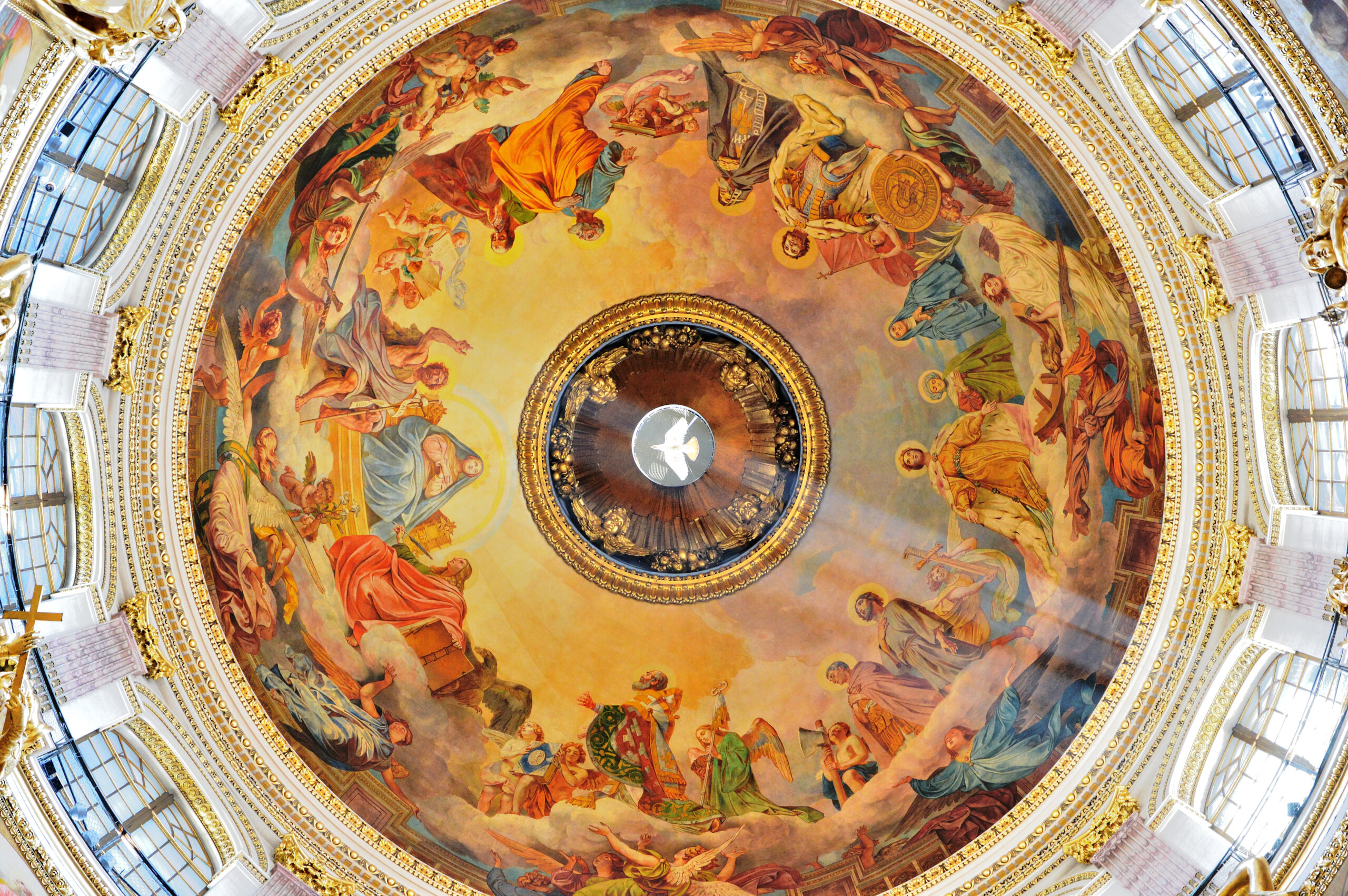
St. Isaac's Church (Исаакиевский собор): since the Founder of St. Petersburg was born on the day of St. Isaac, this imposing church was dedicated to him, which was one of the first built in the city. In reality the church was destroyed and was rebuilt several times in different parts of the city and the works of the one still existing today were started in 1818 by the will of Alexander I. The imposing golden dome, from which you can enjoy one of the most beautiful views of the city, has a diameter of 25 meters and weighs about 300,000 tons. The view from here is one of the best ever.
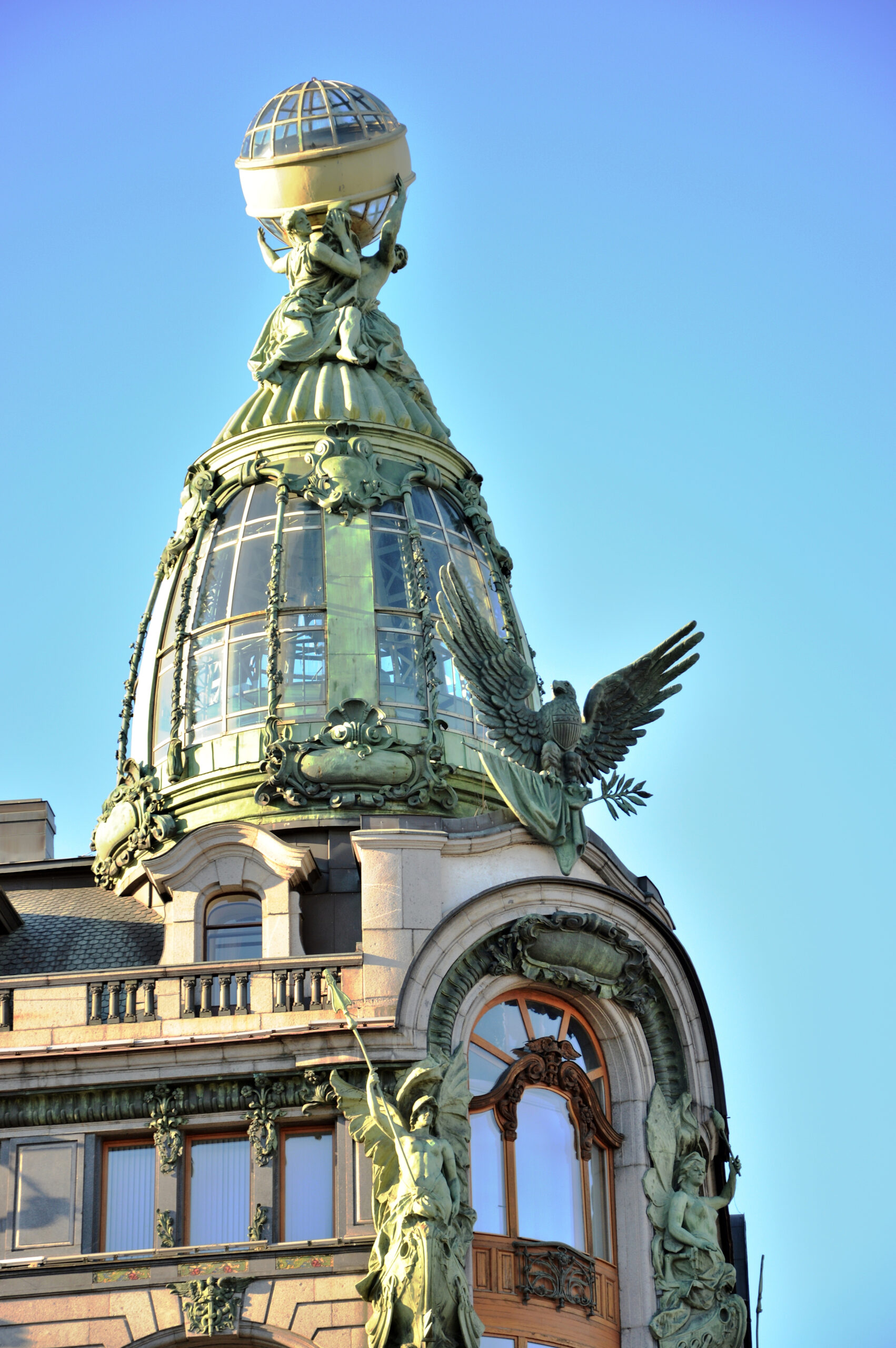
Singer House or House of Books (Дом компании «Зингер» or Дом книги) is a building located on Nevsky Prospekt right in front of Kazan Cathedral, not far from the Church of the Savior on Spilled Blood: it was initially designed to house the seda of the Singer sewing machine factory and today houses a large (but not cheap!) library equipped with souvenirs as well as the headquarters of VK=VKontakta, the largest social network made in Russia that today has more than 200 million subscribers!
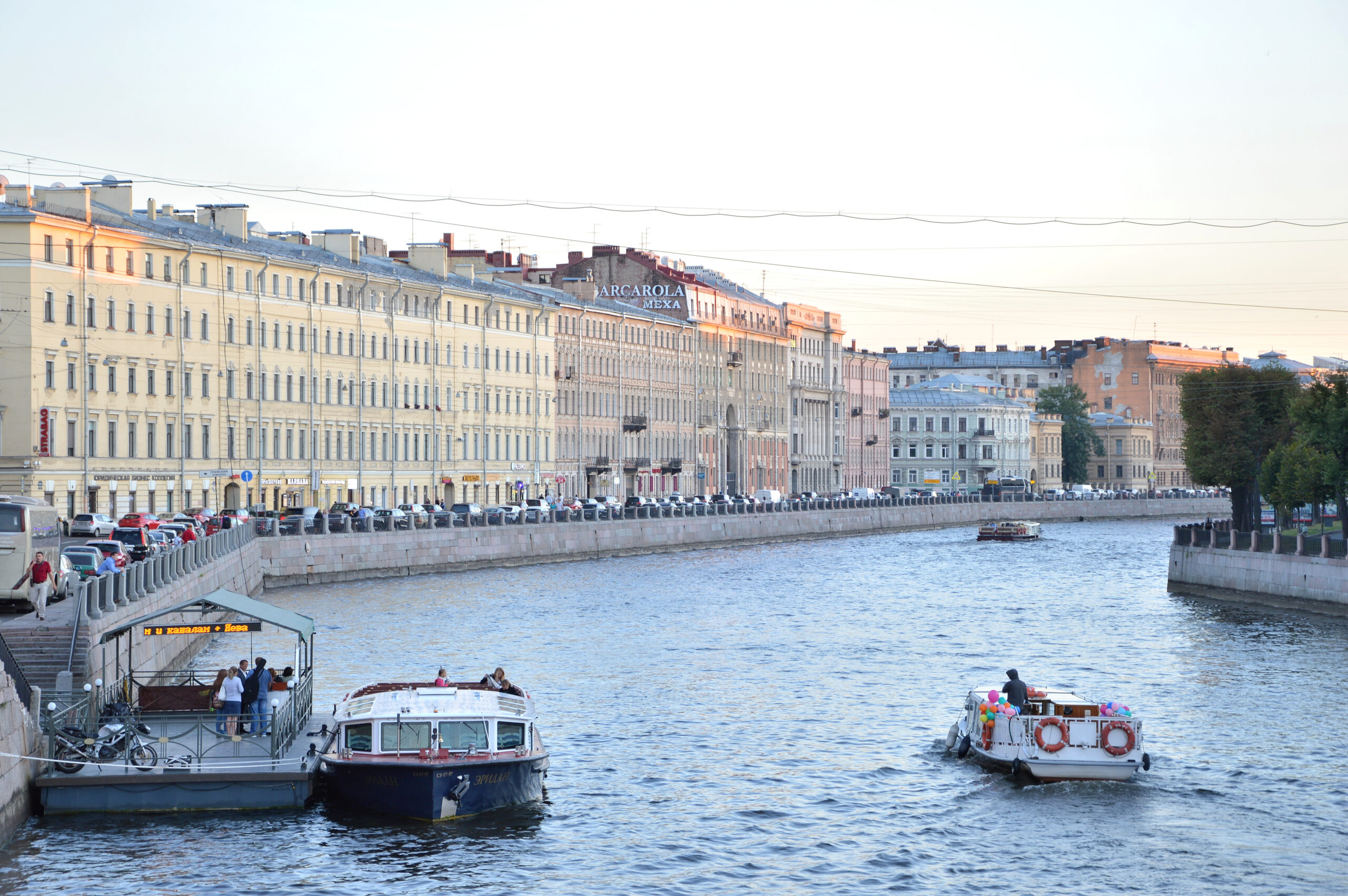
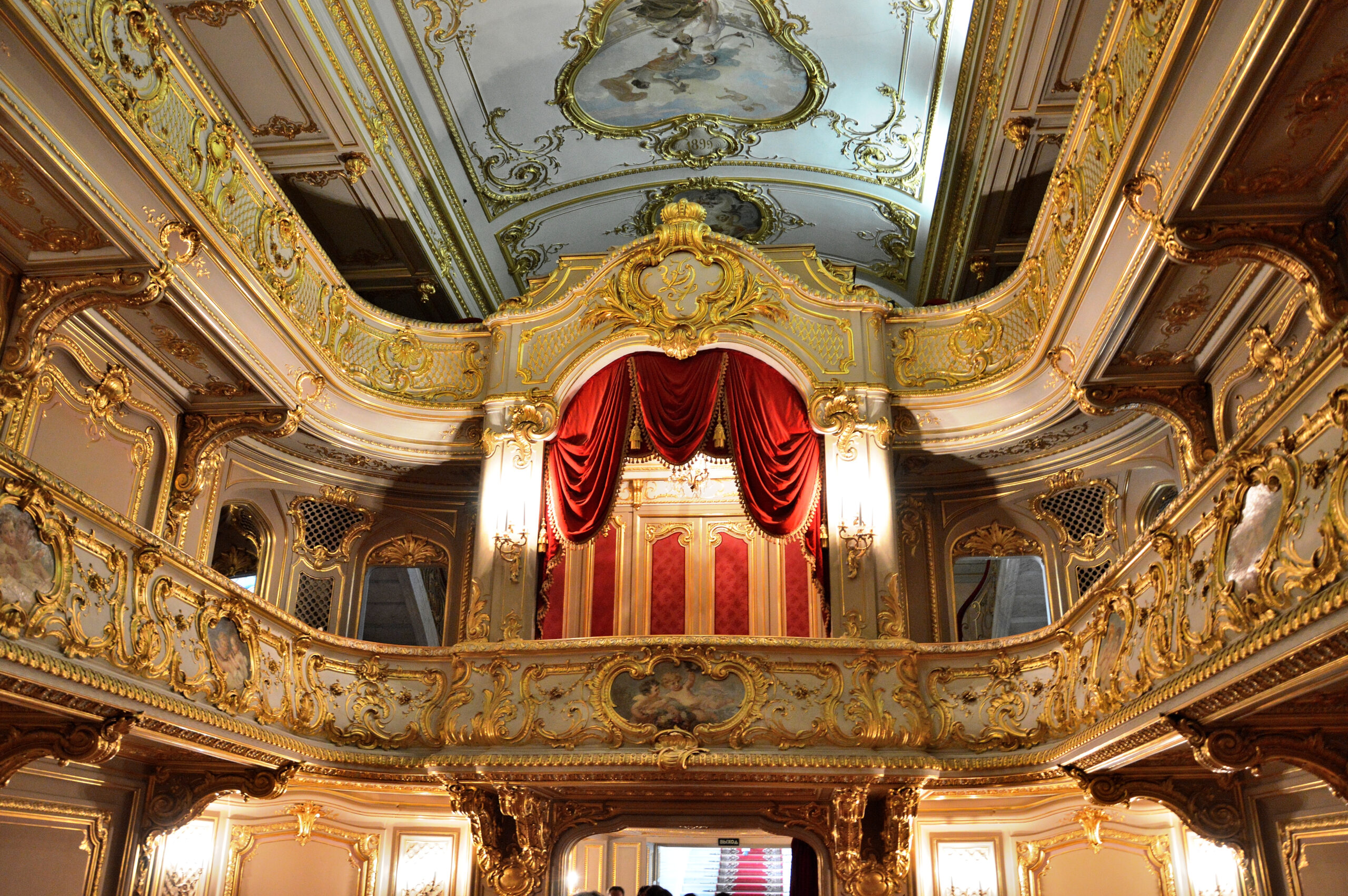
Yusupov Palace (Юсуповский дворец): at number 94 of the Moika riverfront (набережная реки Мойки, 94) is one of the few aristocratic palaces that still retains much of its original beauty, the Yusupov Palace. This is named after the wealthy and noble Yusupov family, whose members were descendants of the ancient Mongol Khans and great art collectors.
Between 1830 and 1919 the Palace hosted 5 generations of the Yusupov dynasty and was the scene of important events in the history of Russia.
The most famous and important of these was the assassination of the monk Grigory Efimovič Rasputin, Siberian peasant, mystical spiritual master and friend of the Romanov family: his friendship and influence on the political decisions of the tsar (and the proximity to an orgiastic sect named Chlysty) attracted him to the envy of some aristocrats, including Count Feliks Yusupov who invited him to his Palace with the excuse of needing his care to redeem the own homosexual impulses; not taking effect the poison put in the food, the conspirators went to the strong ways, kicking him, emasculating him (so they say) and finally shooting him four gunshots. However, officially the autopsy determined that the cause of death was hypothermia. The interiors of the Palace, richly decorated and restored thanks to the efforts of restoration specialists, exude the elegance and charm of their former owners.
Mikhailovsky Palace (Михайловский замок) – Ulica Inzhenernaya 2: another building born from the pencil of an Italian architect, Carlo Rossi, and designed by the Emperor of Russia Paul I in hours of his son Michajl. Today it houses the Russian National Museum, entirely dedicated to Russian art from the twelfth century until the Soviet period. Personally the collection of icons that is located on the ground floor left me speechless and alone is worth the price of the ticket.
But the architectural beauties are not only found in the city center; in fact, leaving a few kilometers from the center, you can visit beautiful palaces that belonged to the family of the Tsar of Russia Nicholas II:
Peterghof (Петергоф): who knows how many times you have already seen this fabulous Palace! "But how? – you will say – we are reading this article precisely because we have never been to St. Petersburg, how could we have already seen this place?! ".
Well the answer is simple: on the totality of the tourist guides of Russia, the websites and the postcards that you have probably received, the Petergof Summer Palace is always present! It is no coincidence that it is one of the 7 wonders of Russia!
Reaching it is very easy: it is in fact only 20 km from the city center with hydrofoils and boats (cheaper) that leave from the pier on the Neva river right in front of the Hermitage.
It is no coincidence that he wrote it like this, instead of in the more widespread "Peterhof", but, considering that this was the name by which the looting Nazis called it, I preferred to opt for the original version of the name.
But the beauty of the place does not stop at the Main Palace: in fact, the Petergof complex includes the Upper Park, the Lower Park and the Aleksandra Park, all in an area of about 607 hectares.
There are several palaces, tree-lined avenues and fountains that make this place unique, with plants coming from all over Russia and the world.
However, it is the Grand Palace that is the master, with its majestic Great Waterfall: initially the fountain was adorned with lead statues that were damaged by the weather and later were replaced by bronze sculptures. The water features produced by the jets are indescribable. The interiors of the Palace, on the other hand, I did not find so unforgettable, especially when compared to those of the Hermitage or Catherine's Palace below. However, Petergof is another unmissable stop on your trip to St. Petersburg.
Catherine Palace in Pushkin (Царское Село): you can not miss a visit to this beautiful palace that was once the summer residence of the Tsars. It is located in Pushkin, a town about 25 km south of St. Petersburg.
Reaching it is very easy and the solution I recommend is to get to the metro station "Pushkinskaya" of the red line 1, reach the nearby Vitebsky train station and from there take the train to Pushkin; once you arrive at Pushkin Station, simply follow the signs to reach the Palace on foot. The residential complex is called "Tsarkoe Selo" (Tsar's village) and includes not only the Palace but also the wonderful parks of the surroundings.
Pavlovsk Palace: it is located a short distance from Catherine Palace (about 45 minutes by bus number 545) and I recommend visiting it during the same day of visiting Tverskoe Selo. The name of the town comes from Paul I who was emperor of Russia for a short time, from 1796 to 1801. This place was so loved by good Russian society at the time of st. Petersburg capital that it was even mentioned by Dostoevsky in his novel "The Idiot".
Eat
A question that friends and blog goers often ask me concerns a theme very dear to us Italians: food.
Throughout Russia it is now possible to find products and restaurants that prepare dishes from all over the world: from sushi chains Dve Palochki (Две палочки – "The two sticks" with the red and white sign), to pizzerias, fast food restaurants and Russian cuisine chains Teremok (ТЕРЕМОК).
Personally restaurant chains have never driven me crazy, the quality of the food is always quite poor and Russia is no exception in this.
My very personal suggestion for a good meal is the Zoom Café, which is located on Gorokhovaya Street at number 22 (Гороховая ул. 22): the staff is very kind, the kitchen is very original and the environment is very intimate and welcoming. A touch of originality is given by the placemats on which you can draw and, why not, try to write a nice message in Cyrillic to your / your guest!The TOP for me in St. Petersburg, every time I return to the city is a must. (http://cafezoom.ru/)
For those who prefer not to give up Italian cuisine or simply want to take "a break" from local food, such as the delicious pelmeni (пельмени – steamed ravioli stuffed with pork, lamb, beef, or any other type of meat) or borsch (борщ – beetroot soup, native to Ukraine), I highly recommend the Caffé Italia which is located in Prospekt Bakunina n. 5 (пр. Бакунина 5), just a few minutes from Vosstanya Square (Площадь Восстания) easily accessible by metro with the red line 1. It is by far the best Italian restaurant in St. Petersburg in my opinion: not only the pizza is excellent (which is difficult to find abroad) but also the environment is "themed": you eat between original models of Ducati, Vespa and Cinquecento! Highly recommended!
If, on the other hand, you miss a steak or simply want to enjoy excellent meat dishes, my advice is the Stroganoff Steakhouse: here I have dined several times with the best steak of my whole life. It is located inKonnogvardeyskiy Bul'var n.4 (Конногвардейский бульвар дом 4). The environment is very nice but not too formal and the prices all in all acceptable: gigantic steak with side dish and bottle of wine 40 euros at the time of my last visit. (http://stroganoffgroup.ru/restaurants/stroganoff-steak-house/)
Another place that has remained in my heart is the Cafè Busché; there are several scattered around the city but, considering that you will turn mainly along the Nevskij Prospekt, I point out the one that is on Malaya Morskaya at number 7 (Малая Морская ул., 7), very close to the Hermitage, on the other side of Nevsky Prospekt and the other that is located on the Griboedova canal promenade at no. 18 (Грибоедова наб.канала,18): they are boulangerie style cafes French, the desserts are delicious and the cappuccino too! Both are not easy to find when leaving the Italian borders. The ideal place for an Italian breakfast or for a quick but well-kept lunch. Here I really felt the air of home! (http://bushe.ru/).
Finally, another beautiful place where I recommend entering to make a stop or simply to take a look at the fantastic cakes is Sever (Север in Cyrillic), a historic sweet factory and chain of pastry shops with the unmistakable blue and white sign with two polar bears in the middle. There are several scattered around the city, but probably the best known and most frequented is the one located at number 44 of Nevsky Prospekt. Here I spent whole afternoons in the company and not to taste delicious slices of cake accompanied by a cup of tea, every opportunity is great to enter to take a look at the windows full of delicious desserts for all tastes and all budgets. Highly recommended. (http://sever.spb.su/)
Nightclubs
Brief mention of the nightclubs of St. Petersburg: there are many and for all tastes, from dilapidated bars to the latest fashion discos. Those who prefer the first and do not want to leave the center can go to Dumskaya Street, a side street of nevsky Prospekt along which alternate bars of all kinds, not very large but where fun is guaranteed. Admission is free but it is not said that you will be able to enter because tourists are not always accepted, rather join someone local! Russians are very sociable so you will not miss the opportunity to make friends in a pub and then enter another place together. The places I have been to and recommend are:
- Fidel local very small but where it is really easy to meet people;
- Lomonosov takes its name from the famous Russian scientist and linguist of the 1700s: a place already a little more fashionable than fidel, a classic cubist in thongs on the bar counter;
- Dacha alongside fidel, compared to this has a slightly more selected clientele.
Although Dumskaya Street is the nightlife area of the center, personally it has not always made a great impression on me, in the sense that I have not always met beautiful people, indeed, I have often found it shabby and touristy. So if you prefer to opt for something a little more classy I point out the Club Estrada (Sadovaya ul. n.17): chic place, located in the central Sadovaya street, is frequented by trendy people and it is not excluded that while you are at the bar counter a beautiful girl will approach and offer you a drink just to get acquainted (in Italy when ever!).
A must in the city (and throughout Russia) is to attend a ballet, an opportunity not to be missed: I was lucky and pleased to see "Swan Lake", "The Nutcracker" and "Don Quixote"! There are many theaters in the city, but my favorite remains the Mariinsky Theater in Theater Square No. 1 (Мариинский театр – Театральная пл., 1) which owes its name to Princess Maria Aleksandrovna. Book your tickets in advance on the official website http://www.mariinsky.ru/, it is really an unmissable appointment for those who go to the tsarist capital, even more so if you think of the favorable euro/ruble exchange rate!
Final tips
I will not bore you by telling you what to do and where to go to be in good standing with the registration of your stay in Russia (the internet is full of it), I feel rather obliged to advise you to:
- choose a place "on the mainland" for the overnight stay (where there is nevsky Prospekt to be clear), that is, avoiding the islands so as not to get stuck and not be able to return to your apartment / hotel to sleep in case you decide to return late at night, after the bridges are raised. If you want to enjoy the spectacle of lifting the bridges here are the schedules:
| Bridge | Lifting time |
| Bolsheohtinskiy bridge | 2:00 – 5:00 |
| Liteynyy bridge | 1:40 – 4:45 |
| Troitskiy bridge | 1:20 – 4:50 |
| Alexander Nevsky Bridge | 2:20 – 5:10 |
| Birzhevoy bridge | 2:00 – 4:55 |
| The Palace Bridge | 1:10 – 2:50 3:10 – 4:55 |
| Tuchkov bridge | 2:00 – 2:55 3:35 – 4:55 |
| Blagoveshchenskiy bridge | 1:25 – 2:45 3:10 – 5:00 |
| Volodarsky bridge | 2:00 – 3:45 4:15 – 5:45 |
- always carry your passport with you: there are those who suggest bringing a photocopy to avoid theft / loss, but I have always carried the original with me;
- super attention on surface public transport and on the street: using the head and the foresight we have in our home is always fine, but there I saw pickpocketing tourists in broad daylight on the Nevskij Prospekt or (what happened to me personally) seeing someone obstruct the exit of the bus at the time of getting off while the "colleague" pulls his wallet out of the back pocket (luckily I always put my hand on my pocket when I get on and off!). It may be a coincidence but the authors of these thefts are not Russians and do not be surprised to see some real Russians notice what happened and intervene to the sound of slaps and return the maltolto to the unfortunate tourist. Nothing worrying in short, use the usual common sense that you use in your cities. The subway on the other hand is very safe and the stations are real jewels;
- for men: landing here you don't all become Rocco Siffredi suddenly – eye!
- do not be intimidated by stereotypes about the Russian winter: even if the temperatures are colder, the charm of the frozen canals with snow on top is unparalleled!


























To visit the official website of Russian tourism > https://tourism.gov.ru/en/
To return to my travels section > https://www.photosoap.it/i-miei-viaggi/
If you want to return to the home page > https://www.photosoap.it/